
Fitouts in Cranbourne
Professional vehicle fitouts improve power management and usability, supporting work and travel needs. Reliable fitout solutions in Cranbourne designed for everyday performance and long-term use.
Nature's Symphony
ButtonRequest a call back
Thank you for contacting Pete's Auto Electrical.
We will get back to you as soon as possible.
Oops, there was an error sending your message.
Please try again later.
Practical Fitouts That Perform
A well-designed electrical fitout can transform how a vehicle performs day to day, especially when powering tools, accessories or touring equipment. Pete’s Auto Electrical provides professional vehicle fitouts in Cranbourne, focusing on practical layouts that match how the vehicle is actually used. Fitouts include dual battery systems and canopy electrical setups, designed to support accessories without compromising reliability. Careful planning, quality components and proper installation help ensure the system works efficiently under load and remains dependable over time.
A correctly installed fitout reduces power issues and makes vehicle use more efficient. It also helps avoid battery drain and electrical faults caused by poor system design. To discuss a fitout tailored to your needs, call 0438 660 014 to book or request a quote.
Smarter Power Management
Purpose-Built Setups
Designed for Work and Travel
Fitouts aren’t just about adding equipment—they’re about creating a reliable electrical foundation. Dual batteries allow accessories to run without affecting the starting battery, while canopy fitouts support organised, accessible power for tools and gear. Each system must be correctly sized, wired and protected to perform safely and consistently. Thoughtful fitouts improve efficiency, reduce downtime and support longer off-grid use. Whether for work vehicles or touring setups, the right fitout helps ensure power is available when it’s needed most.
Dual Battery Systems
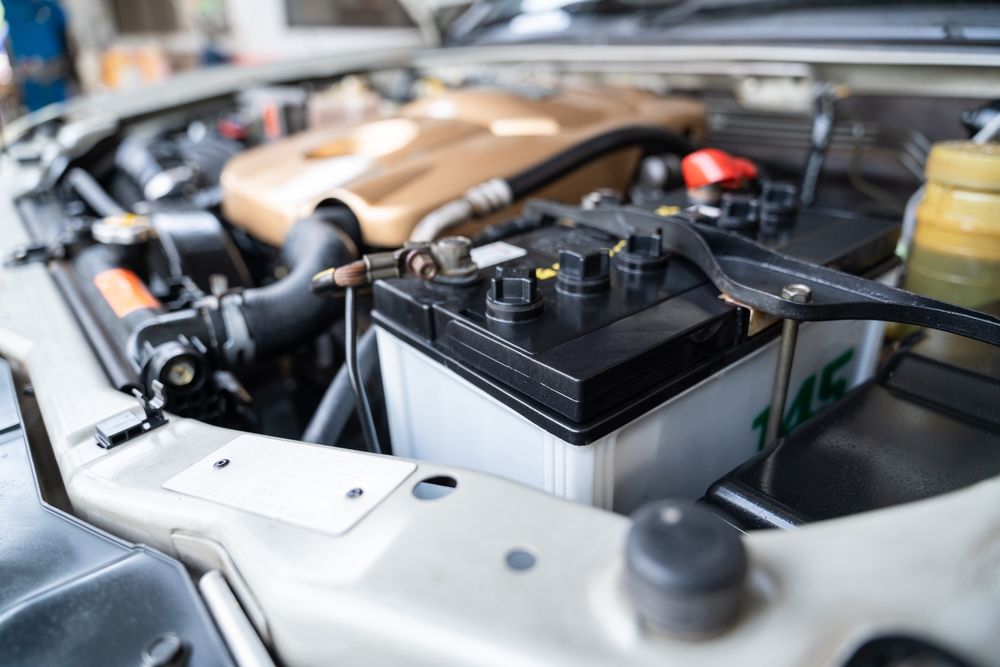
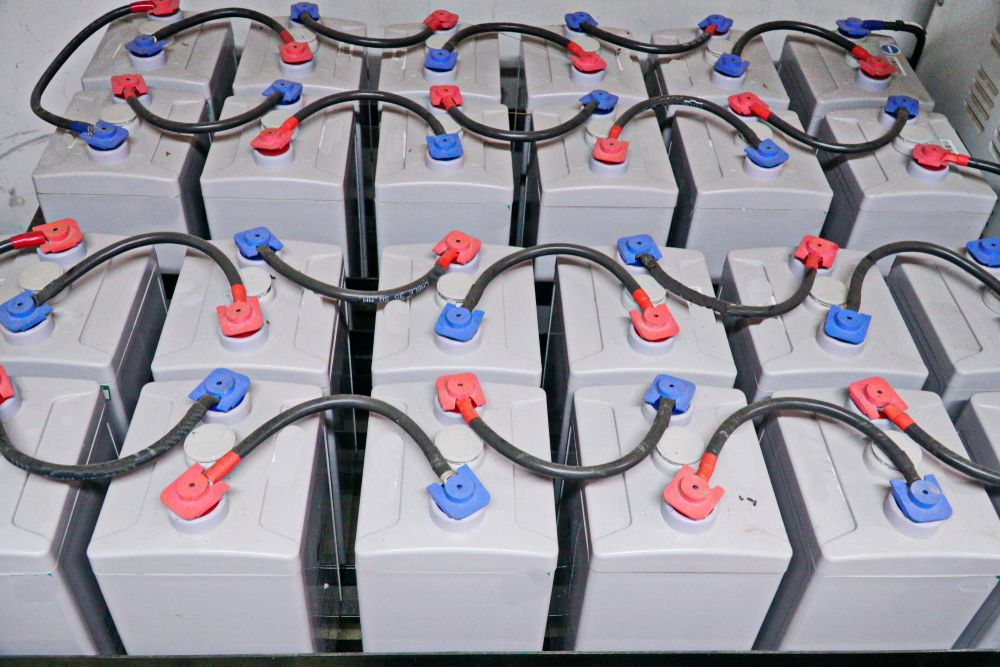
Dual battery systems are designed to separate accessory power from the vehicle’s starting battery, allowing equipment to run without risking a flat start. They are commonly used to power fridges, lighting, inverters and other accessories. A proper dual battery setup involves selecting the right battery type, installing an isolator or management system and wiring everything safely. When designed correctly, a dual battery system improves power efficiency, supports longer off-grid use and reduces strain on the vehicle’s electrical system, making it ideal for work vehicles and touring setups.
Canopy Electrical Fitouts
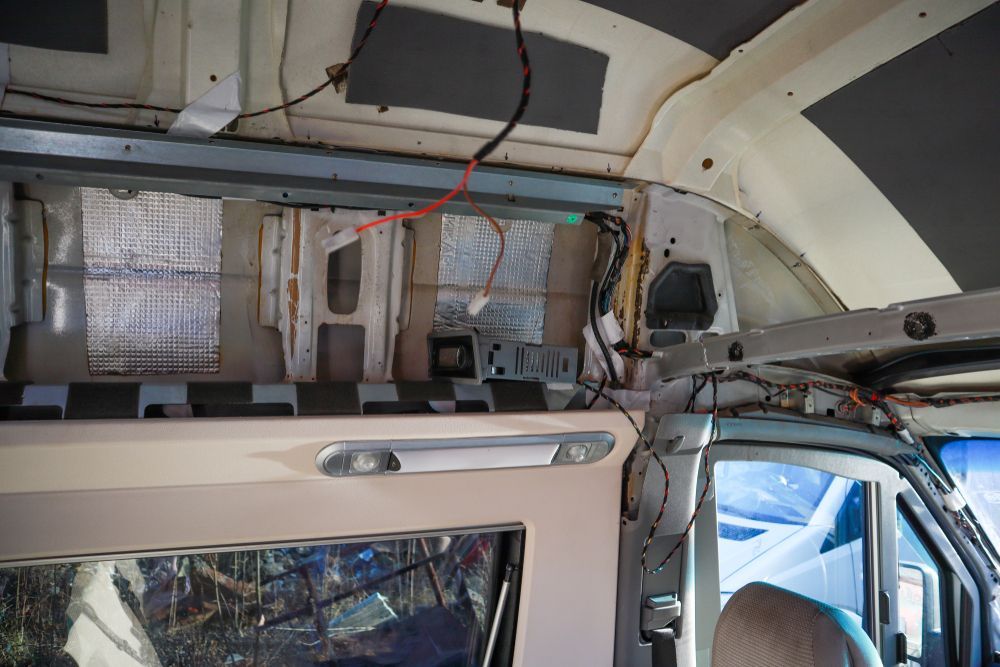
Canopy electrical fitouts create organised, accessible power solutions within a vehicle canopy, supporting tools, lighting and accessories. These fitouts often include internal lighting, power outlets and dedicated circuits designed for safe, practical use. Proper canopy fitouts focus on clean wiring, secure mounting and correct circuit protection. When installed correctly, they improve workflow, reduce clutter and ensure reliable power delivery, making daily tasks easier and safer while protecting both equipment and the vehicle’s electrical system from unnecessary wear.
FAQ's
What is a vehicle electrical fitout?
A vehicle electrical fitout involves installing and configuring electrical components to support accessories and equipment. This can include dual battery systems, canopy wiring, lighting and power outlets. Fitouts are designed to improve functionality and power management without affecting the vehicle’s core electrical systems.
Do dual battery systems drain the main battery?
When installed correctly, dual battery systems prevent accessories from draining the starting battery. An isolator or battery management system separates the two batteries, allowing accessories to run while keeping the main battery protected for starting the vehicle.
Are fitouts suitable for both work and touring vehicles?
Yes, electrical fitouts can be tailored for both work and touring needs. Work vehicles may prioritise tool power and lighting, while touring setups often focus on fridges, charging and off-grid power. System design depends on how the vehicle is used.


